China’s Young Drinkers Are Moving Beyond the Banquet and Creating a New Spirits Market
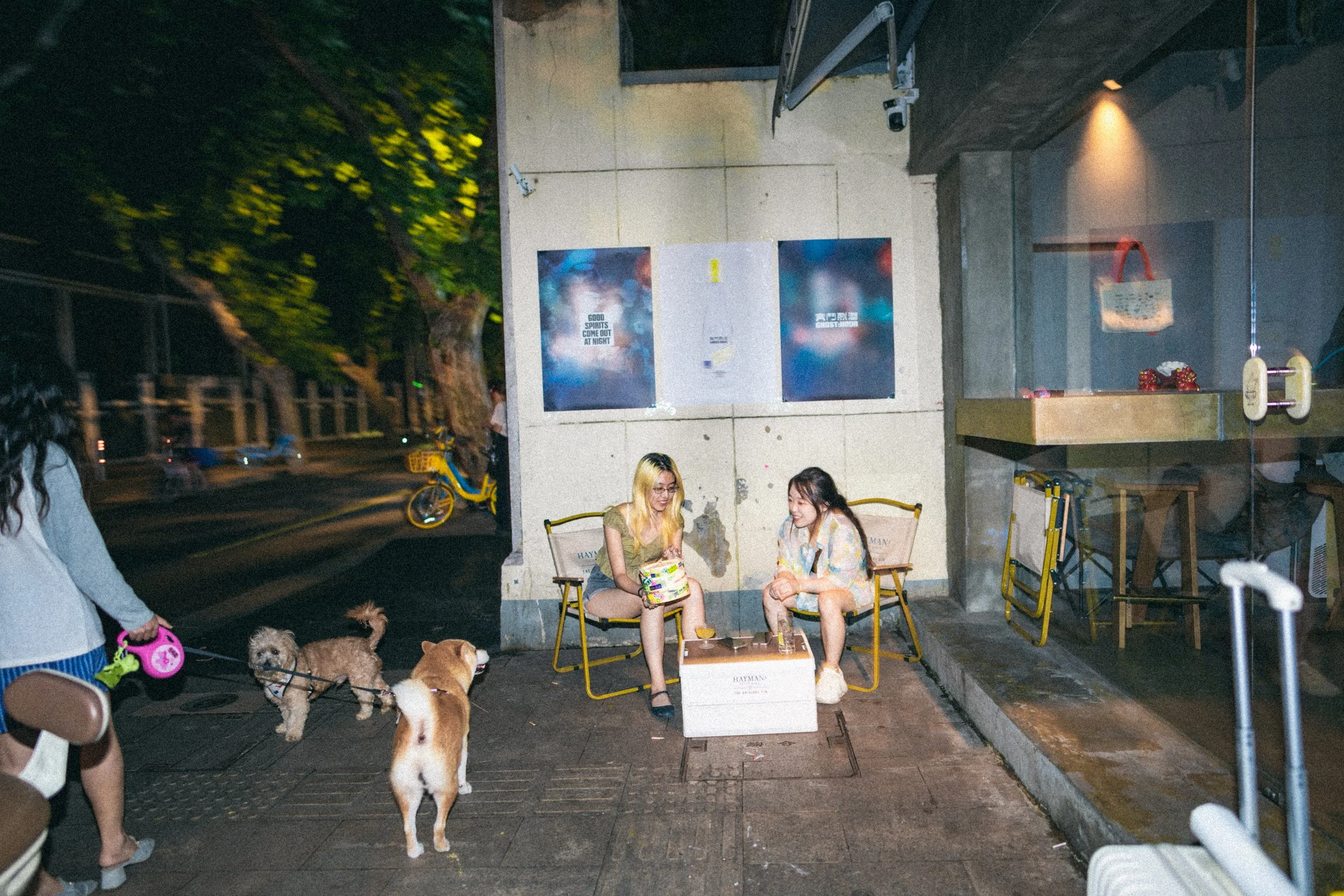
For an older generation of Chinese drinkers, alcohol was often tied to the banquet table: business entertaining, gifting, baijiu and expensive imported bottles. For today’s twenty-somethings, the occasion looks increasingly different.
China’s youngest adult drinkers are gravitating toward more casual, social settings - cocktail bars, bistros, live houses and smaller groups - with drinking becoming less about obligation and more about personal enjoyment. IWSR (a global leader in beverage alcohol data and insights_ describes this as a structural change in the market, driven by younger legal-drinking-age consumers as traditional business drinking continues to decline.
They’re not necessarily rejecting alcohol, either. In IWSR’s latest research, 85% of high-income urban Chinese Gen Z adults surveyed had consumed alcohol, while globally Gen Z drinkers are more likely than any other generation to drink cocktails. They are also more selective about what, when and why they drink.
That shift is showing up in what China drinks. While the overall alcohol market contracted in 2025, gin, vodka, rum and other white spirits have emerged as pockets of growth - categories naturally suited to cocktails, nightlife and less formal drinking occasions.
It also raises another question: why should this new drinking culture still be served predominantly by brands created for previous generations - and often imported from overseas?
That is where brands such as Shanghai-born Ghost Hour (寅鬥烈酒) see an opening. Its four-spirit range was developed for China’s bar market, with gin and vodka produced domestically and rum and tequila developed with overseas distilleries before being bottled locally.
“China imports millions of bottles of house-pour products. That never made much sense to us, particularly as we see the rise in quality and acceptance of local products,” says head distiller and co-founder David Moo. “Bars need something reliable, well-priced and built for their needs. Ghost Hour is that bottle - local, consistent and designed for high-volume service.”
Even its identity is aimed squarely at this newer drinking occasion. The name references 寅时 (Yín Shí - the Tiger Hour), the traditional 3am–5am period, the brand takes its cues from bartenders getting off shift, music, late-night food and the street life that surrounds China’s bars.
Ghost Hour is only one new entrant, but it reflects something larger: a generation that isn't necessarily drinking less so much as drinking differently - and creating room for a different kind of Chinese alcohol brand to emerge.